Debt: A Scary Word, But One You Can Conquer
Debt can feel overwhelming, but understanding the difference between useful borrowing and costly balances—and choosing a payoff approach you can stick with—can help you move toward your financial goals.
- #DebtPayoff
- #DebtSnowball
- #PersonalFinance
- #MoneyManagement
- #FinancialGoals
Debt. Just hearing the word can make people feel stressed or overwhelmed. Unfortunately, many people do not pay enough attention to their debt until it becomes a serious problem. While some debt can be a useful financial tool, too much debt can hold you back from reaching your financial goals.
Not All Debt Is Bad
Let's be honest. Most people will carry some form of debt during their lifetime. A home mortgage and student loans are common examples of debt that can help improve your quality of life or increase your future earning potential.
Credit card debt, however, is a different story.
With high interest rates and easy access to spending, credit cards can quickly become a financial burden if balances are not managed properly. Personally, I use a credit card for as many purchases as possible, but I make sure to pay the balance in full every month. This allows me to earn cash-back rewards while avoiding costly interest charges and late fees.
My Favorite Debt Payoff Strategy: The Debt Snowball
There are several methods for paying off debt, but my personal favorite is the Debt Snowball Method.
The concept is simple:
- List all of your debts from the smallest balance to the largest.
- Make minimum payments on every debt.
- Put any extra money toward the smallest debt.
- Once the smallest debt is paid off, roll that payment into the next smallest debt.
- Repeat the process until every debt is eliminated.
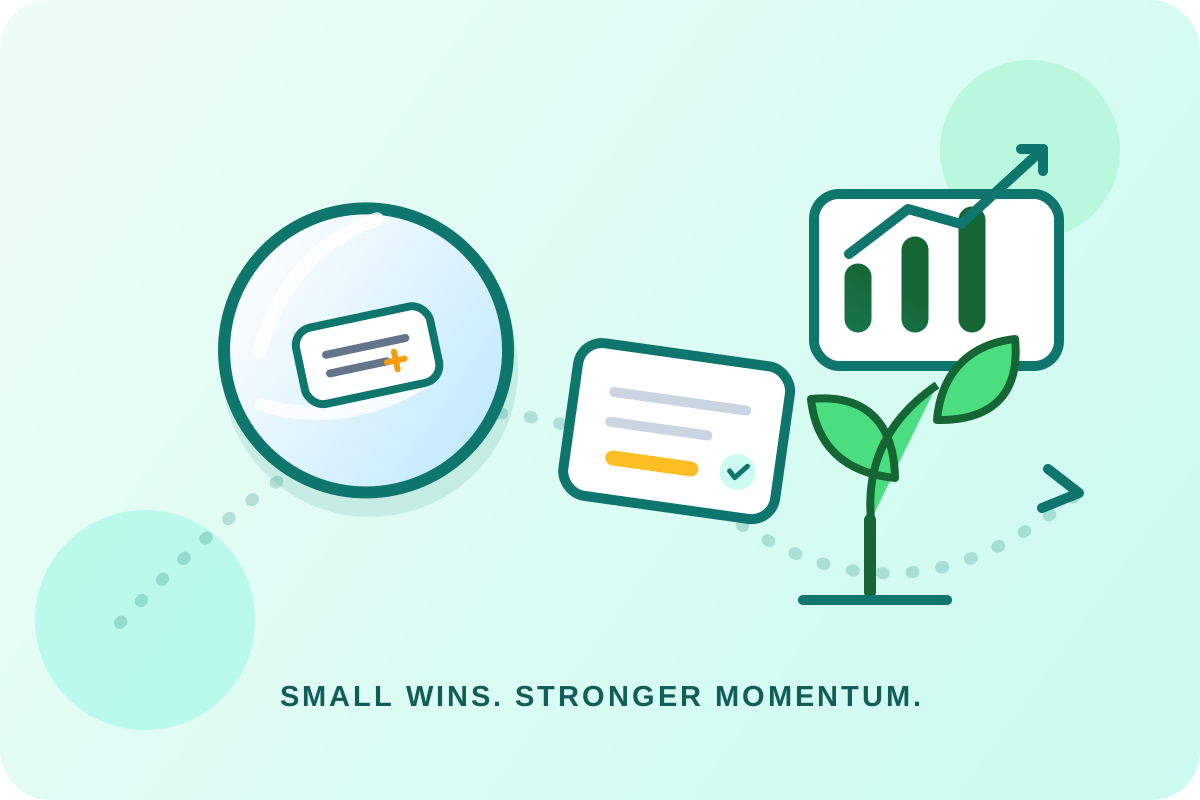
Like a snowball rolling downhill, your payments grow larger and larger as each debt disappears.
Why the Debt Snowball Works
Some people argue that there are mathematically faster methods, such as paying off the highest-interest debt first. While those methods certainly have merit, the Debt Snowball offers something incredibly powerful:
Momentum.
Every time you pay off a debt, you experience a small victory. Those wins build confidence and motivation, making it easier to stay committed to the process. Personal finance is often more about behavior than math, and seeing progress can be the difference between giving up and achieving success.
What to Do After Becoming Debt-Free
Paying off your debt is a huge accomplishment, but don't stop there.
Once your debt payments are gone, redirect that money toward building wealth. Consider contributing more to:
- Retirement accounts
- Emergency savings
- Investment accounts
- College savings funds
- Other long-term financial goals
The same money that once worked against you can now start working for you.
Final Thoughts
Getting out of debt is rarely easy, and it does not happen overnight. It takes discipline, patience, and determination. But every payment brings you one step closer to financial freedom.
If you are currently on your debt-free journey, keep going. Celebrate the small wins, stay focused on your goals, and remember why you started.
Stay strong, stay consistent, and keep moving forward. Your future self will thank you.
Comments
Comments are reviewed before they appear publicly. Please keep your feedback respectful and don’t include private financial information.
Loading comments…